≡ Menu

Precaution!
– UV is very harmful to the eyes and can cause skin cancer.
– Conceal the UV light inside an enclosed space.
– Do not allow children or pet approach when the UV light is turned on.
– Some UV light generates ozone, which is harmful to the lungs.

Recently, we have received a couple of emails from our customers with the same question.

Can I use UV light to disinfect the Totobobo filters for reuse?
Does the UV light kill the filter’s effectiveness?

These are interesting questions that we have yet to explore. UV-C devices (tube or LED) for decontamination are not difficult to find nowadays. However, there is an obvious concern that UV exposure may degrade the plastic filter material and it may kill the static charges embedded in the filter media, reducing its’ filtration efficiency. After all, we all have seen how plastic turns brittle after long exposure under sunlight. What if the UV device turns the filter media brittle? or somehow reduces the static charges in the fabric?

We decided to do a simple test to find out how does the UV light affects the filtration efficiency of the filter media?
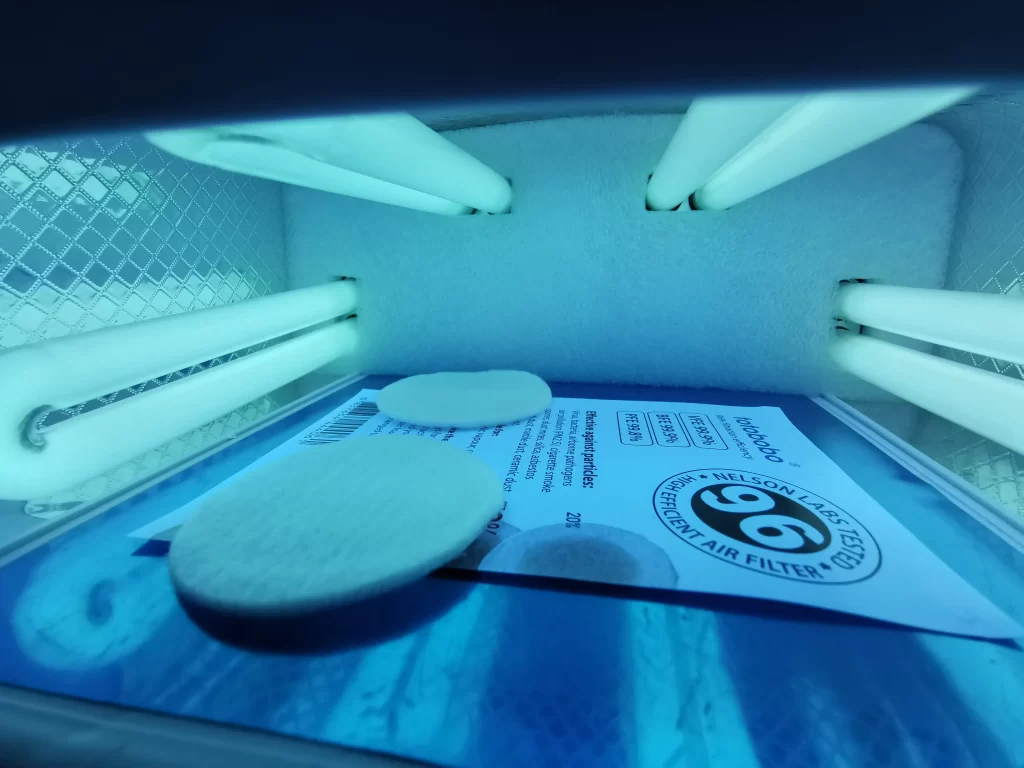
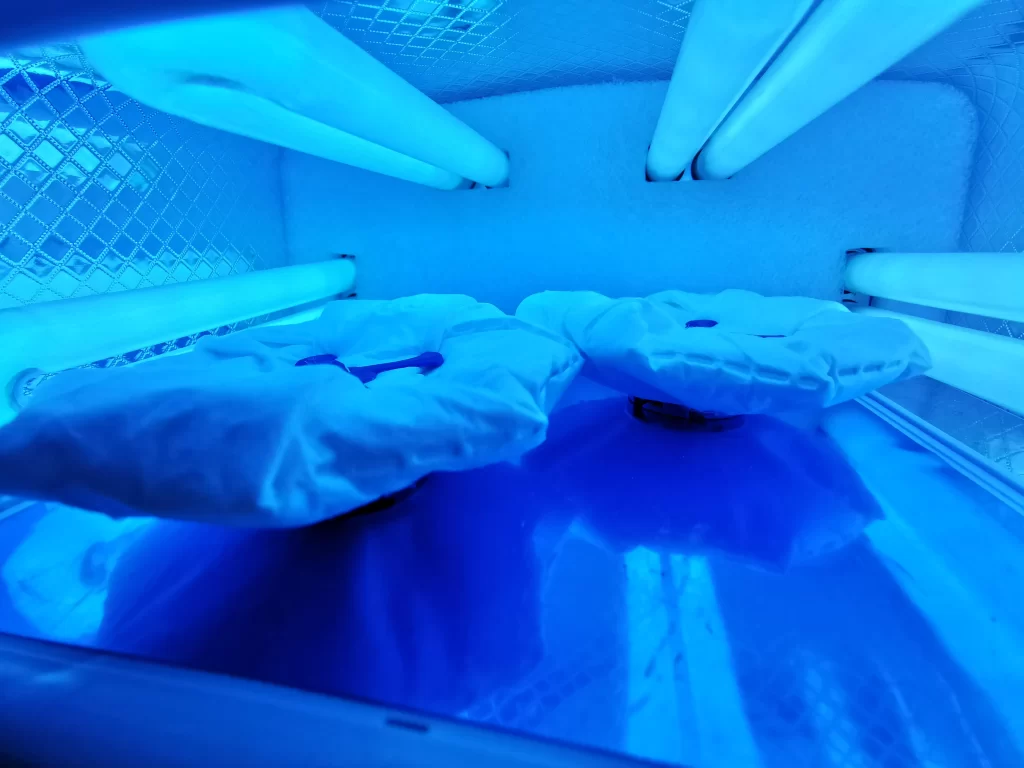
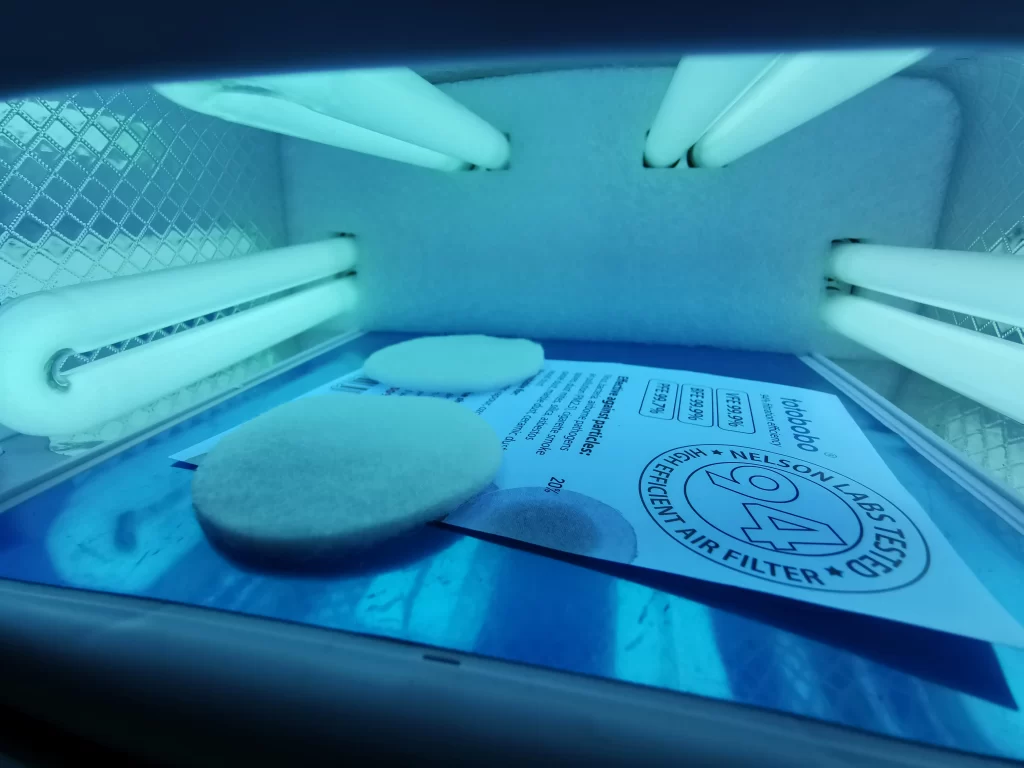
We use an off-the-shelf UV lightbox and conducted a simple exposure test on our filters (F94, F96, and Pro99).

The procedures of the tests as follows:

1: Perform a quantitative fit-test (TSI PortaCount Pro) and record down the result (fit factor=x) before exposing the filters under UV.
2: Expose the filters under the UV lights
3: Mount filters onto the mask
4: Conduct the quantitative fit-test again under the same condition.
5: compare the result before and after the UV exposure

How does the PortaCount machine works?
The PORTACOUNT measures the concentration of these particles around the person’s head and then measures the concentration of those particles that leak into the respirator.
The ratio of these two numbers is the “fit factor”. A fit factor of 100, for example, means that the air inside the respirator is 100 times cleaner than the air outside.

TSI PortaCount

Remember, the main concern we had was whether the UV exposure would in some way deteriorate the filter’s electrostatic charge and degrades the efficiency and mechanical property. Read more below to find out!

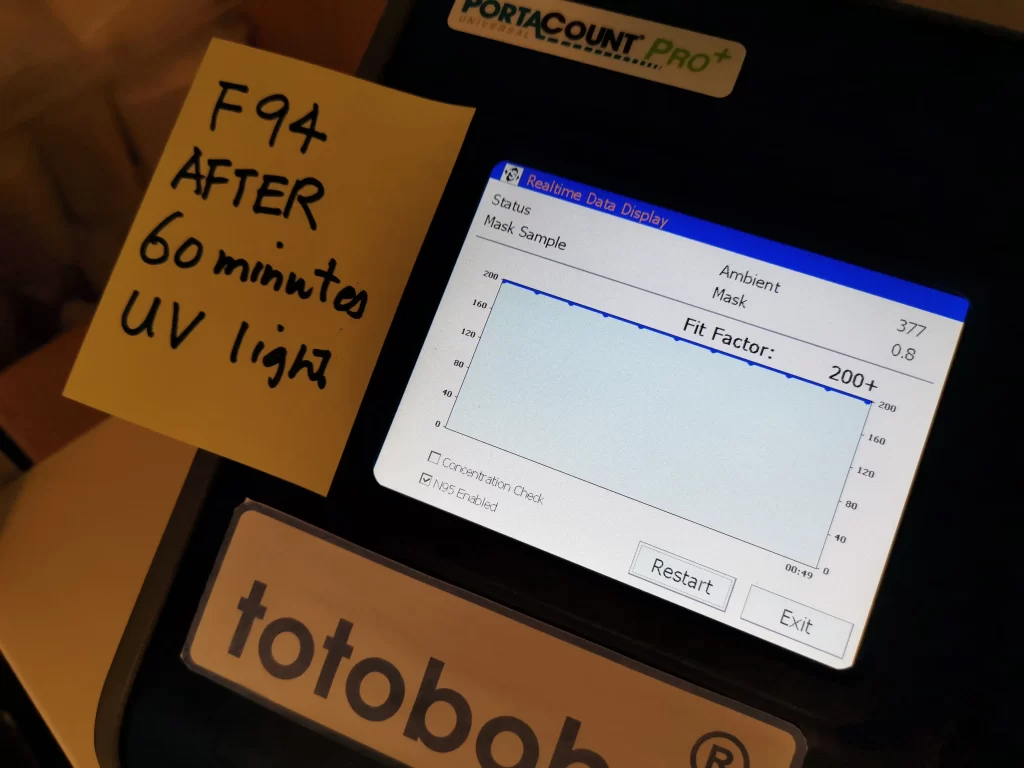
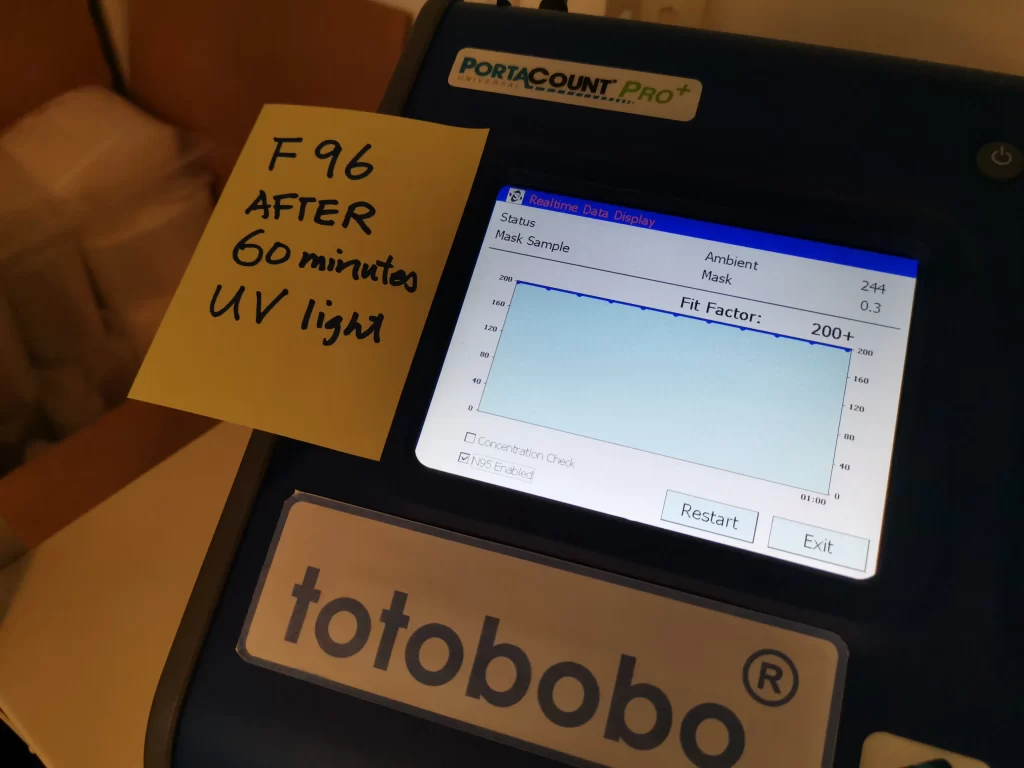
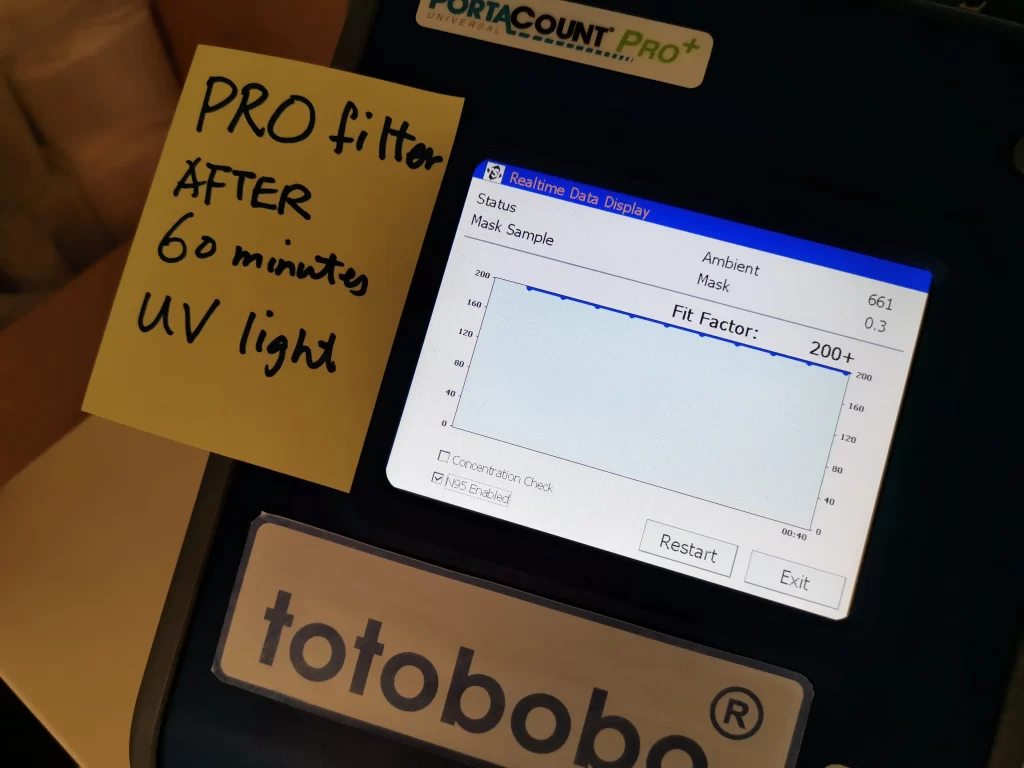
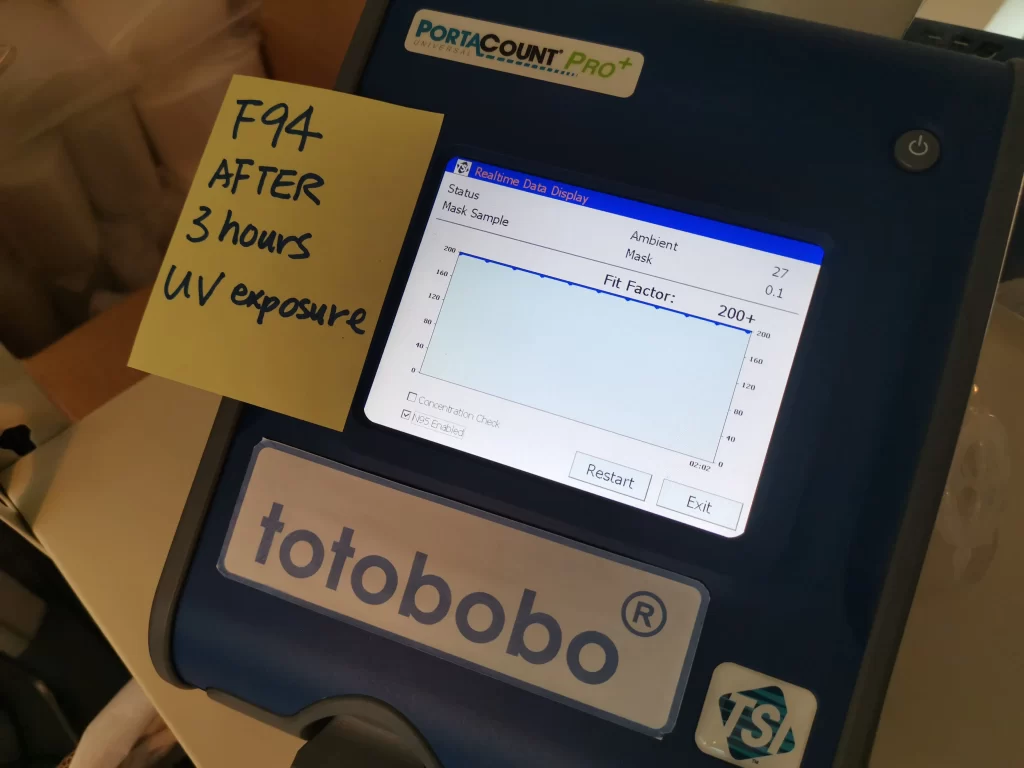
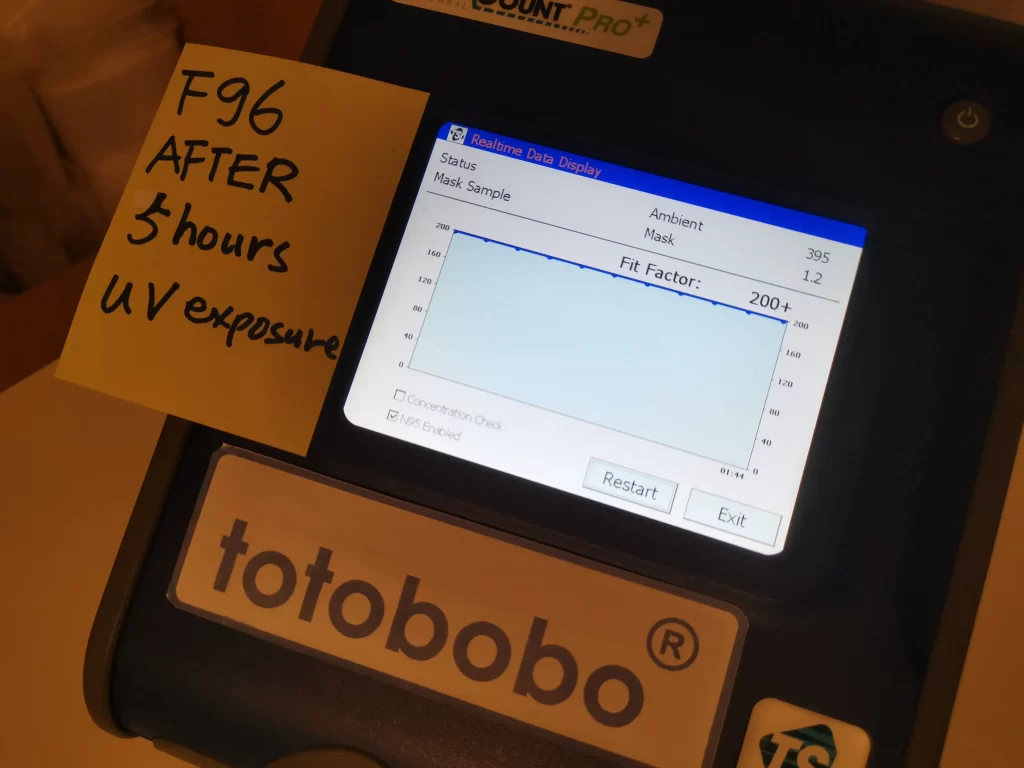
We started the test off with a 1-hour UV exposure, to our surprise, the fit factor remained at the top level (200+), same as before the UV exposure.
The fit-factor is determined by two parameters, (1) how well the mask fits the face, and (2) the filtration efficiency of the filter media. Since the first parameter is fixed (same person, same mask), a change of the fit-factor would indicate a change of the filtration efficiency.

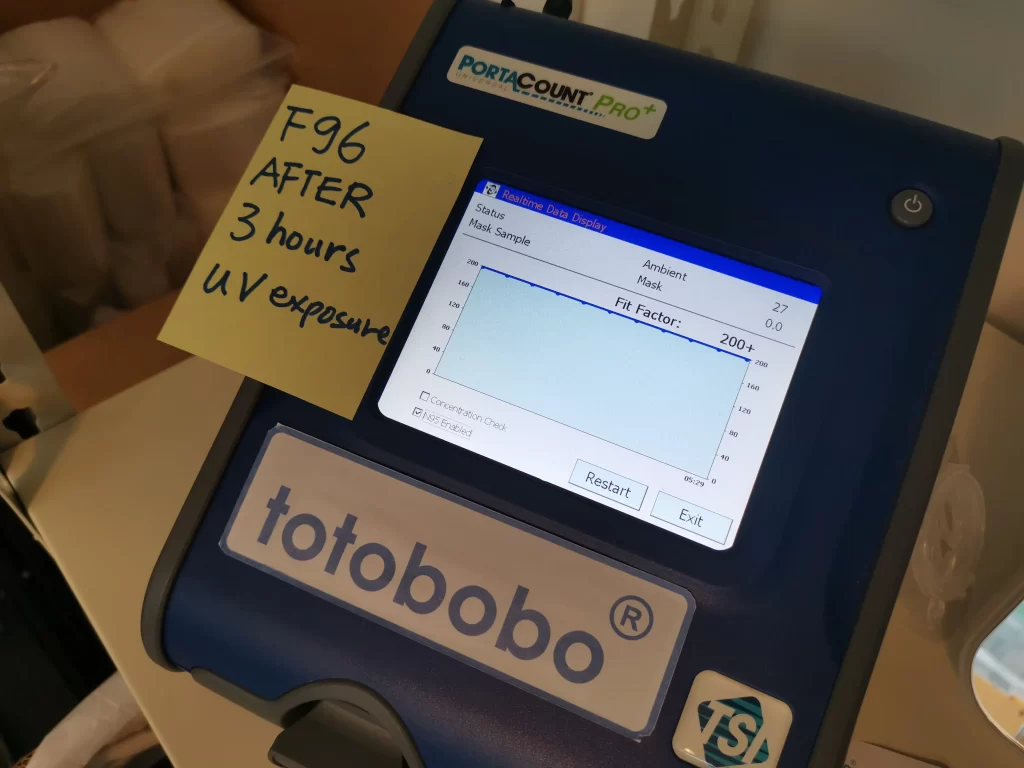
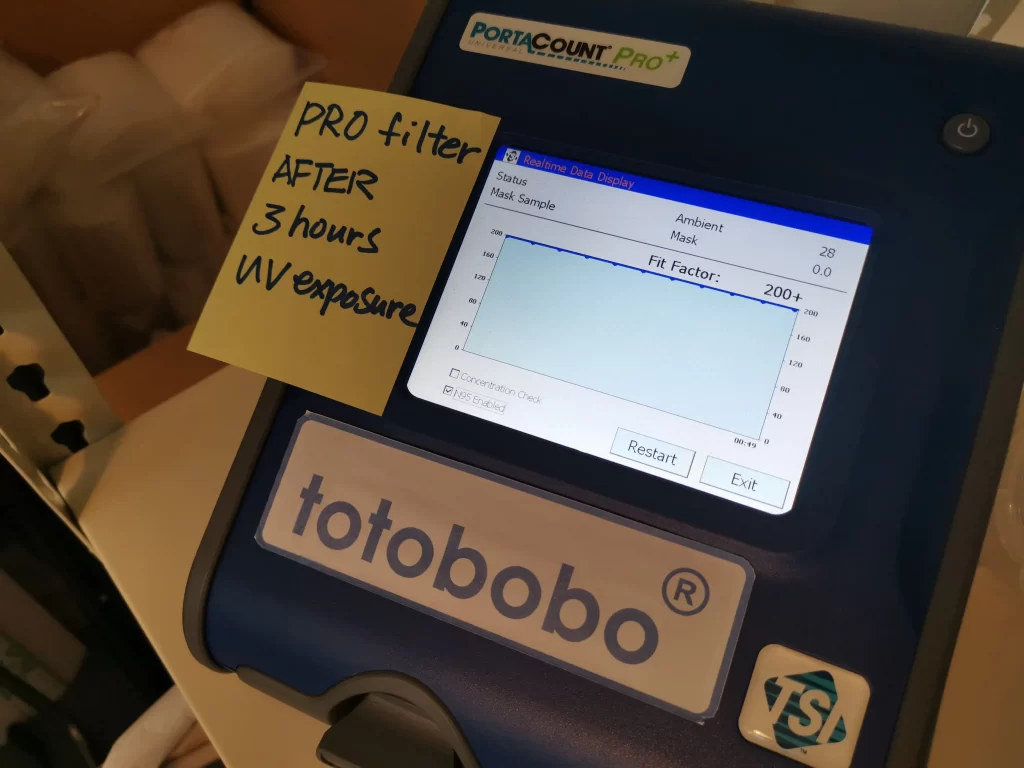
We decided to push it further, to a longer time frame of 3 hours. The results remained the same, showing the filters are holding the performance at the top-level even after 3 full hours of exposure to strong UV light.

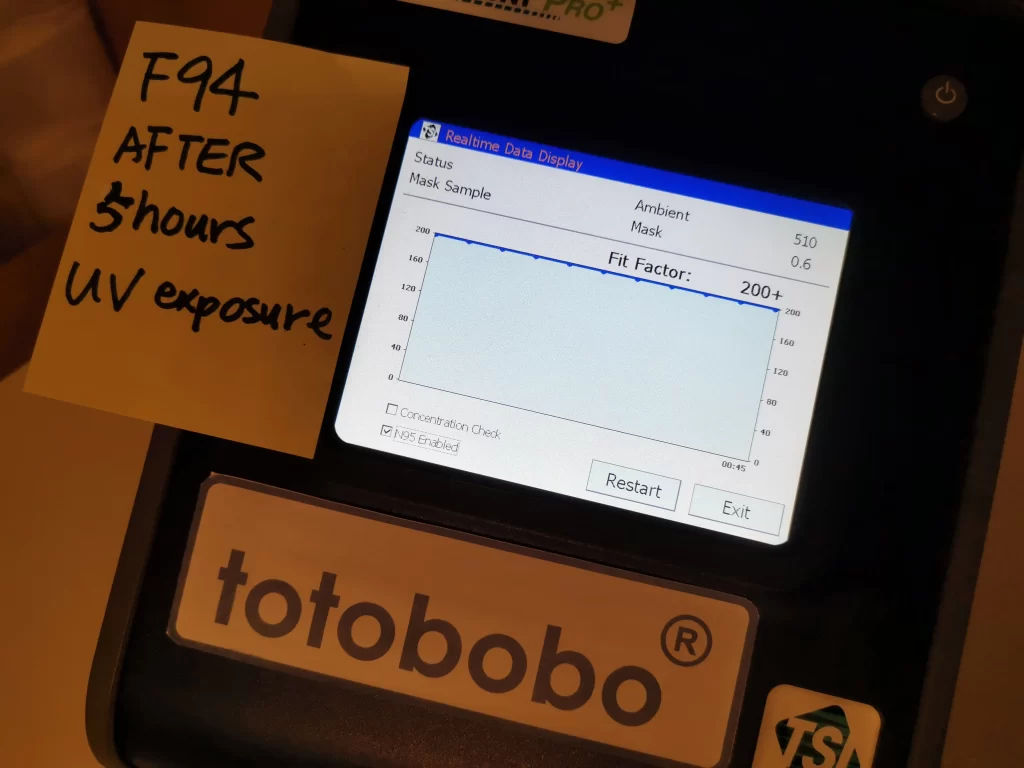
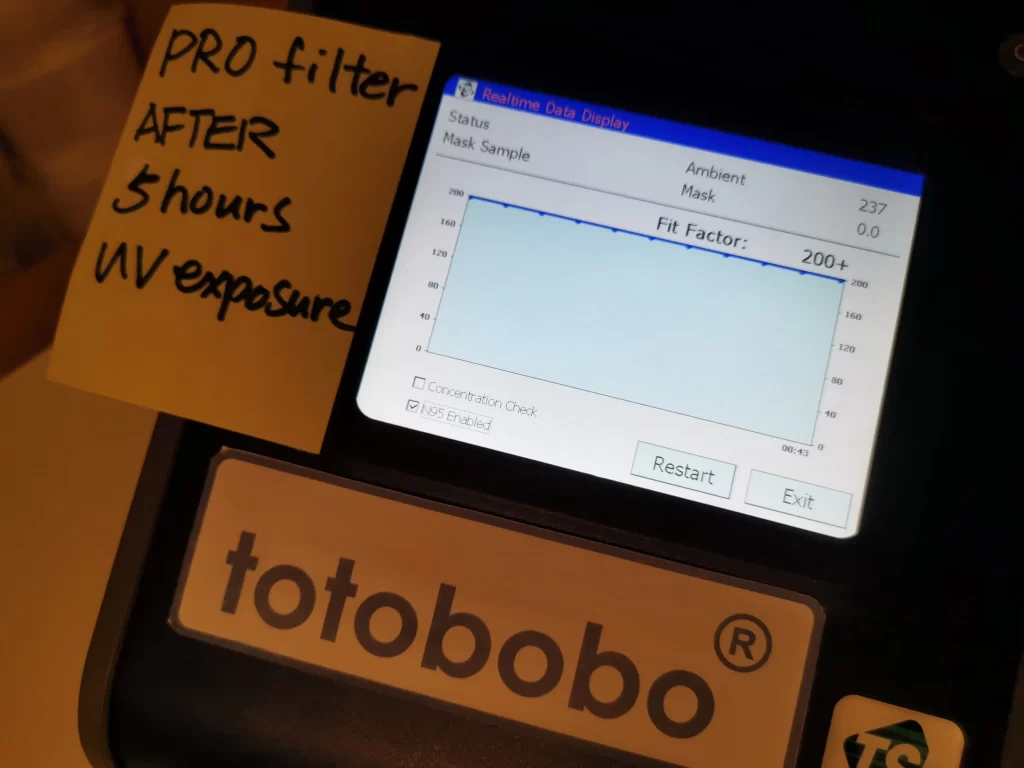
Encouraged by the results we’ve gotten for the previous 2 tests, we decided to go another step further. We let the UV rays shine upon the 3 different sets of filters for an additional 2 hours, accumulated a total of 5 hours of UV exposure, and then perform the test again. The results remain the same! These filters are as good as new after a 5-hour under very strong UV radiation.

Frankly, we were quite surprised and impressed by the performances. Initially, we thought the UV radiation would destroy the filters and degrade its filtration performance. It turns out that the filtration efficiency is not really affected by UV light exposure.

In conclusion, filter efficiency is not likely to be affected by a few hours of UV exposure. (e.g. germicidal UV-C light) Such duration is more than enough to provide 4-5 times of 15 minutes UV-C decontamination sessions.

For additional safety, we recommend changing the filters after each visit to a high-risk area (i.e. crowded hospital). Disinfect the used filter with UV-C and rest for a minimum of 3 days in a clean space before reuse.

Precaution!
– UV is very harmful to the eyes and can cause skin cancer.
– Conceal the UV light inside an enclosed space.
– Do not allow children or pet approach when the UV light is turned on.
– Some UV light generates ozone, which is harmful to the lungs.

Reference reading:
Addressing COVID-19 Face Mask Shortages [v1.1]
Evaluation of Five Decontamination Methods for FFPs
FB: Open source COVID19 medical supply

{ 0 comments }

As the world grappled with the onset of the COVID-19 pandemic in spring 2020, the sound of the dental drill—a familiar and often reassuring noise—transformed into a haunting reminder of the invisible threat lurking in every breath. For Dr. Tünde Alföldi and her dedicated team at Alföldi Dental System Kft. in Austria, the stakes had never been higher. The aerosolized saliva produced during dental procedures posed a significant risk of infection, amplifying their concerns about the safety of both their patients and themselves. Compounding this anxiety was the near-impossible task of securing adequate personal protective equipment (PPE) amidst widespread shortages; medical-grade masks had become a coveted rarity, leaving dental professionals in a precarious position.

A Desperate Search, an Unexpected Lifeline

Driven by fear for her team’s safety and the well-being of her patients, Dr. Alföldi embarked on a frantic late-night search across countless websites, hoping to find a solution to their PPE crisis. Each click brought more disappointment, but just as hope began to fade, she stumbled upon Totobobo masks, an innovative product from a company based in Singapore. With a mix of desperation and cautious optimism, she crafted an email—a heartfelt plea disguised as a professional inquiry—detailing their dire situation and the unique challenges faced by dental professionals during this unprecedented time. Her email reached Francis at Totobobo, who responded promptly with a lifeline amid uncertainty. Not only did he recommend their PRO filter, which offered N99 equivalent protection, but he also provided invaluable guidance on ordering procedures, sizing options, and filter sterilization techniques—critical information given their limited resources. Francis took the time to explain the differences between Totobobo masks, N95 respirators, and surgical masks, emphasizing Totobobo’s unique advantages: a superior fit for various face shapes demonstrated in pilot studies. He even included a downloadable template to ensure each team member received a perfectly fitting mask.

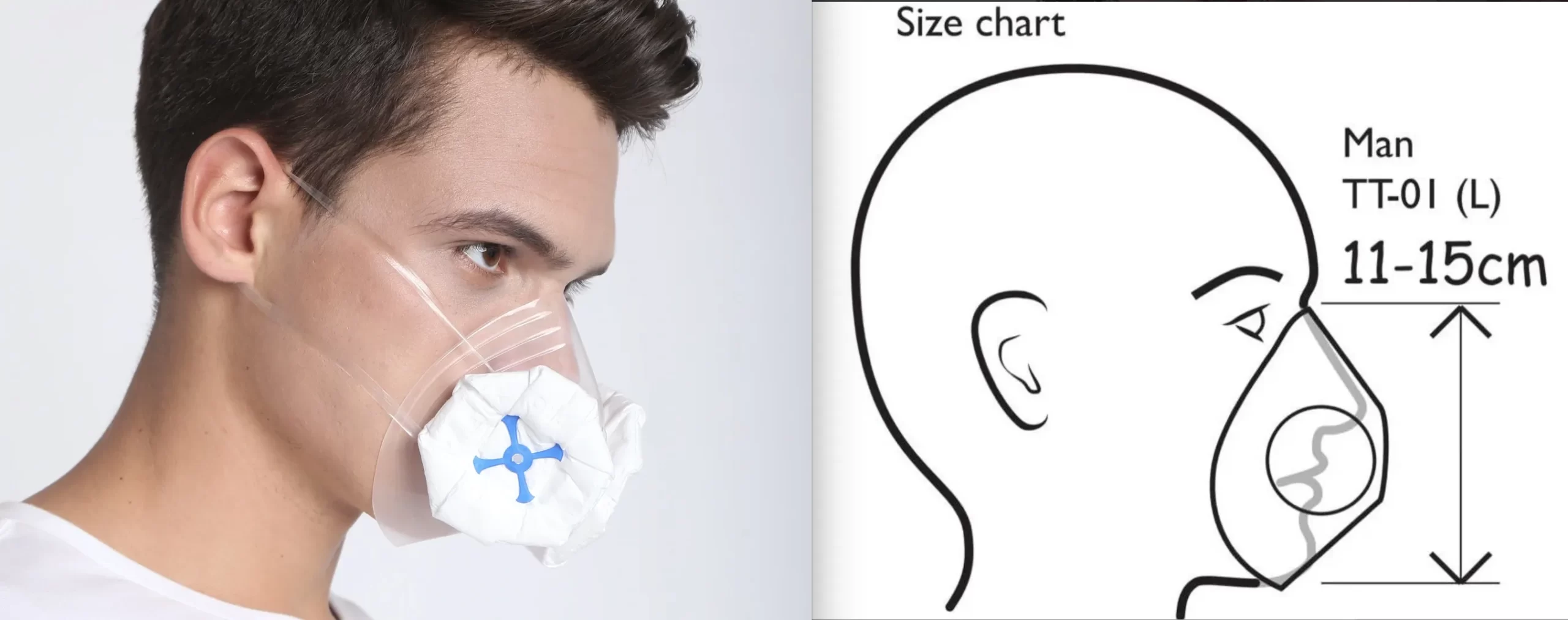
Totobobo Pro filter Size Chart

Overcoming Obstacles

What followed was a remarkable journey showcasing resilience and international collaboration. The ordering process, typically straightforward for most businesses, became fraught with challenges due to high customs fees and bureaucratic hurdles associated with importing without official importer status. Dr. Alföldi’s emails transitioned from formal requests to increasingly heartfelt messages that reflected the mounting pressure and uncertainty they faced daily. Yet throughout this ordeal, Francis remained a steadfast ally, patiently guiding her through each obstacle.

A Resounding Success

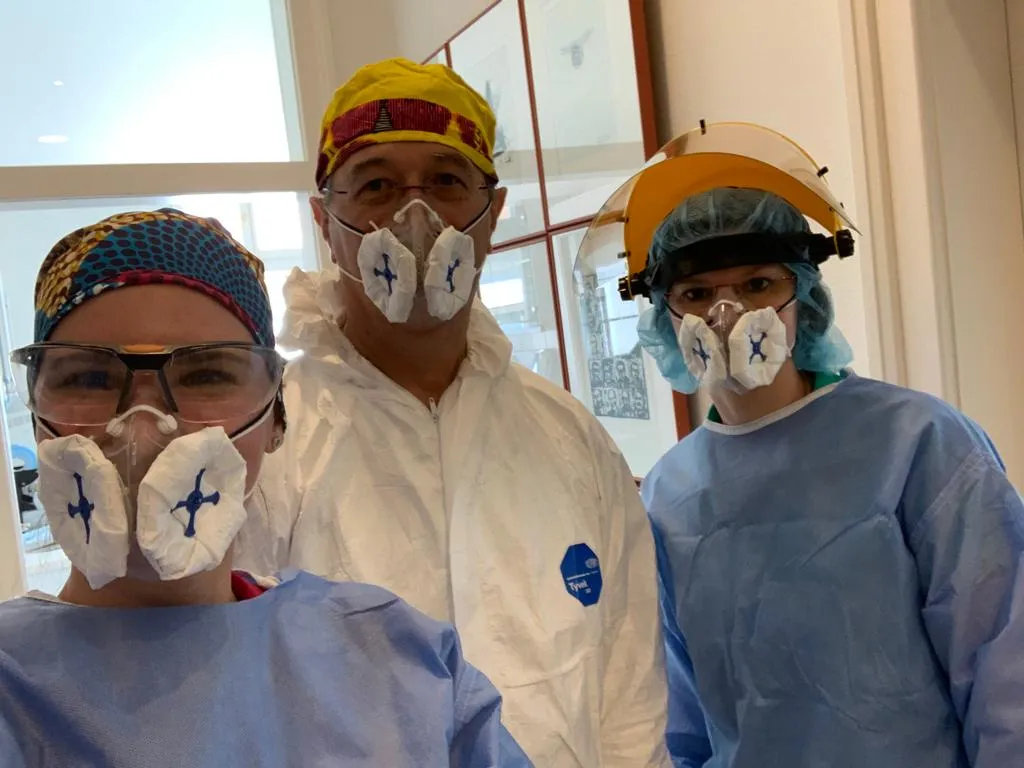
Finally, after navigating numerous hurdles, the masks arrived—a moment captured perfectly in a photograph sent by Dr. Alföldi. Her team donned their new masks, their smiles peeking out from behind the protective gear, embodying immense relief and gratitude. These masks represented more than just PPE; they symbolized ingenuity, perseverance, and the unexpected connections forged during a global crisis.The feedback from her team was overwhelmingly positive. As Dr. Alföldi expressed: “Everyone in our surgery says that compared with FFPs, they can breathe much better in the Totobobo mask; you can wear it for hours! And of course, you can fit it to your face—not like the oversized FFPs we were provided.” This powerful statement highlighted the stark contrast between their new Totobobo masks and the six ill-fitting FFP3 masks supplied by the Austrian government—masks that had proven inadequate for her team of seven. The Totobobo masks not only offered protection but also allowed them to work comfortably and effectively, ensuring they could continue providing essential care without compromising safety.

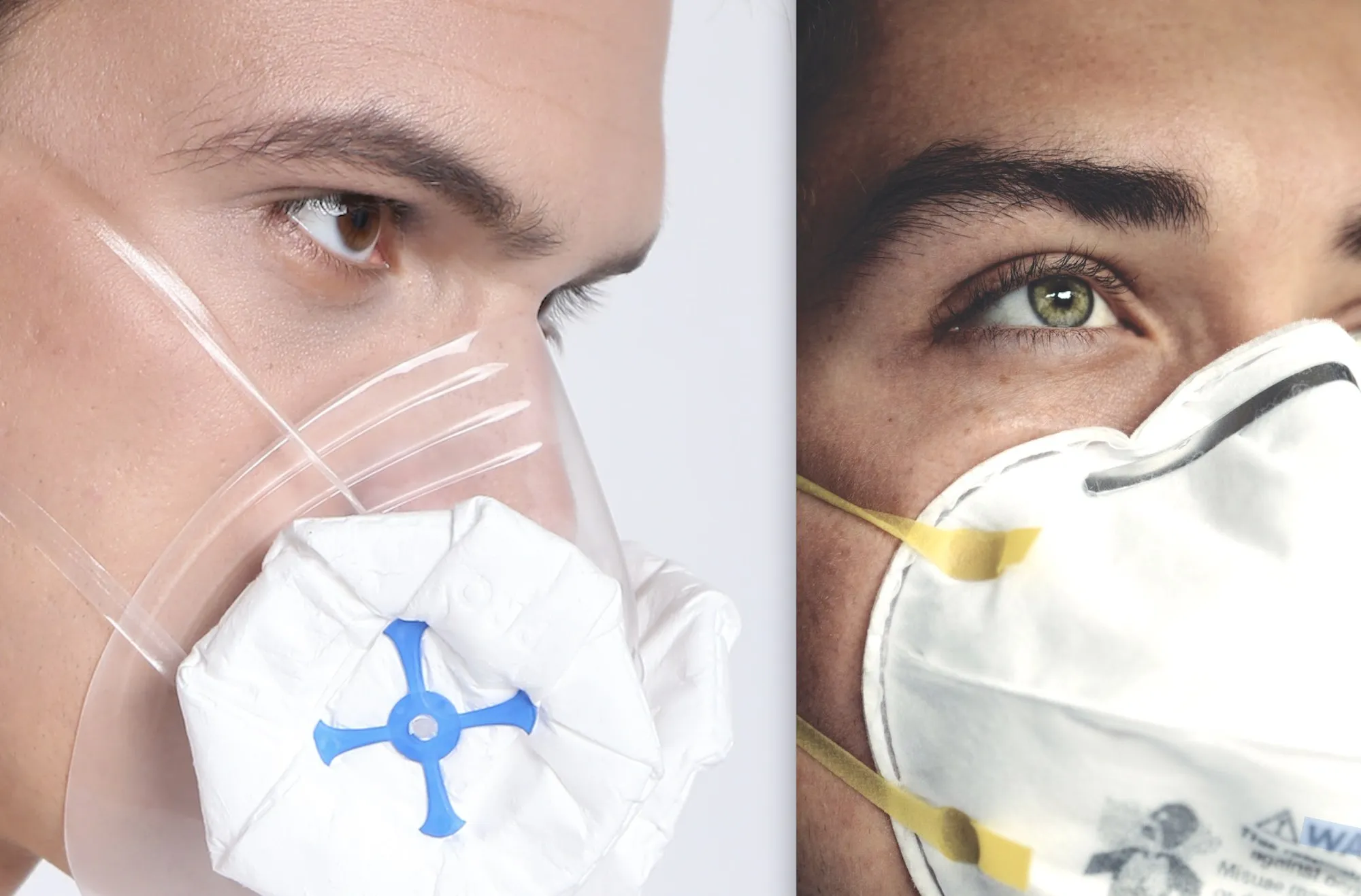
Totobobo mask vs N95 mask
Mask comparison: Totobobo vs N95

More Than Masks: A Partnership Forged in Crisis

This story transcends mere discussions about masks; it is an inspiring narrative about human connection, resilience, and collaboration during trying times. It underscores the unwavering dedication of healthcare workers worldwide and highlights the critical importance of providing them with effective and comfortable PPE solutions. This experience exemplifies how a small company thousands of miles away became an unexpected lifeline for a dental practice in Austria.In these challenging times, we are reminded that even amid darkness, hope, ingenuity, and human connection can prevail.

Support Our Healthcare Heroes
Explore Totobobo masks and filters for effective protection against airborne pathogens. If you’re a healthcare provider facing similar challenges or seeking respirator protection solutions, don’t hesitate to reach out to us for assistance!

{ 0 comments }

Call for entry of DIY ideas to reduce exposure of coronavirus:
We are giving away 10 sheets of high-efficient filters to anyone come up with an idea to turn it into a design to help prevent coronavirus. We will also select some of the more promising ideas to publish here so more people can learn from the best. Please check our FaceBook page for how to join.

“Coronavirus could be spread by air-conditioning and may be more contagious than previously thought, scientists believe after finding traces of the virus in hospital air-duct.”- reported by DailyMail

In 2003 during the SARS crisis, the worst affected building was the Amoy Garden at Kowloon Bay. The virus was spreading to a cluster of bathrooms sharing the same drainage pipe.

Here is an example DIY project for a “bathroom drainage cover” to prevent the airborne virus from spreading through the share drainage pipe to your unit.
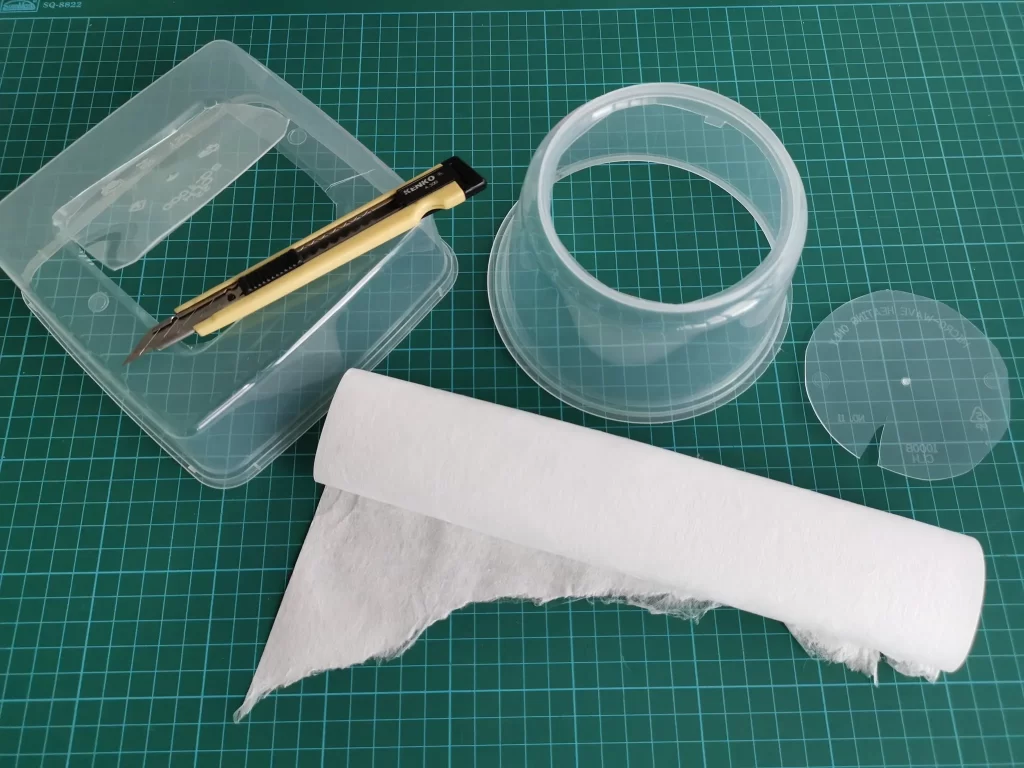
The main components are the filter sheet and a plastic holder, which can be converted from any takeaway plastic box. You can use tape and/or rubber band to wrap the filter over the opening and sealed. Air coming from the drainage hole will be filtered by the filter before it can enter the bathroom. There can be a tiny bit of leakage at the base of the plastic box but most of the air will be filtered. The key is to reduce a significant portion of the virus and reduce the potential damage.

The photos are self-explanatory. If there is any question please leave a comment below. I’ll try to answer asap.

Cut a hole on the bottom of the plastic box. 
(The filter sheet is the white roll near the bottom)
Cut a hole on the bottom of the plastic box.
(The filter sheet is the white roll near the bottom)
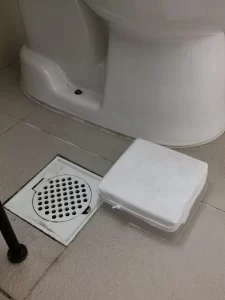
The filter box next to the drainage hole.
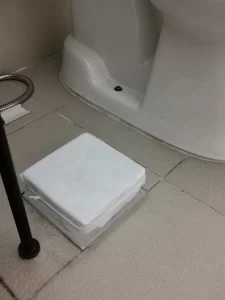
The filter box covering the drainage hole, stopping the virus from entering the bathroom.

{ 0 comments }

Pauline mother’s totobobo mask

Pauline’s 90-year-old mum and her helper wearing the Totobobo mask as they set off for the activity centre which mum attends 5 days a week.

Thanks to Pauline allowing us to share her letter and the photo of her mum.

Dear Francis,
My family and I have found the mask comfortable although it is a bit fiddly to change the filter and adjust the straps. 
Everywhere I go, folks have remarked the mask looks comfortable. However, they flinch when they first hear the price but calm down after comparing this to the cost of wearing surgical masks daily. I will certainly spread the word about your wonderful product and am greatly puzzled why your product is not known to more Singaporeans who have been desperately looking for masks!
Best regards,
Pauline

{ 0 comments }

hydraulic filter manufacturers

What are the commonly used filters in a hydraulic system?

Commonly used hydraulic filters in a hydraulic system include suction filters, return filters, and off-line filters. Suction filters are used to remove contaminants from the fluid before it enters the pump, while return filters are used to remove contaminants from the fluid after it has passed through the system. Off-line filters are used to filter the fluid when the system is not in operation. Other types of filters that may be used in a hydraulic system include pressure hydraulic filters, which are used to remove contaminants from the fluid under pressure, and element filters, which are used to remove specific types of contaminants from the fluid.

Who makes hydraulic filters?

Many companies manufacture hydraulic equipment and filters, including well-known brands such as Parker Hannifin, Donaldson, and Eaton. There are also many smaller companies and manufacturers that specialize in the production of custom filters. Some of these companies may focus on producing filtration systems filters for specific industries, such as high pressure construction or agriculture, while others may offer a wide range of liquid filters for use in different types of hydraulic systems. Additionally, many original equipment manufacturers (OEMs) will also produce liquid filters that are specifically designed to work with their own equipment.

Are all hydraulic filter elements the same?

No, not all hydraulic filters are the same. Different types of filters are designed to remove different types of contaminants and are used in different parts of the hydraulic system. For example, suction hydraulic filters are designed to remove larger particles from the fluid before it enters the pump, while return filters are designed to remove smaller particles from the fluid after it has passed through the system. Additionally, different liquid filters will have different micron ratings, which indicate the size of particles that the filter can remove.

Also, different materials are used for different applications. For example, a filter for heavy-duty application will be made of different material than a filter for a light-duty application.

In addition, some filters will be designed for specific types of fluid or for use in certain industries, such as aviation or marine.

It is important to use the right type of filter for your specific application to ensure that your hydraulic system is protected and operates efficiently.

What are the commonly used filters in a hydraulic system?

  • Suction filters: used to remove contaminants from the fluid before it enters the pump.
  • Return filters: used to remove contaminants from the fluid after it has passed through the system.
  • Pressure filters: used to remove contaminants from the fluid under pressure.
  • Off-line filters: used to filter the fluid when the system is not in operation.
  • Element filters: used to remove specific types of contaminants from the fluid.
  • Bypass filters: added to filter the fluid after it has passed through the main filter, used to extend the life of the main filter.
  • Breather filters: used to filter the air that enters and exits the tank, protecting the system from air-borne contaminants.

How do I choose a hydraulic filter?

When choosing a hydraulic filter, several factors should be considered:

  1. Type of Contaminants: Identify the type of contaminants that need to be removed from the fluid. Different filters are designed to remove different types of contaminants, such as particles, water, and air.
  2. Micron rating: Consider the size of the contaminants that need to be removed, and choose a filter with the appropriate micron rating. The lower the micron rating, the smaller the particles that the filter can remove.
  3. Flow rate: Make sure the filter can handle the flow rate of the system. A filter that is too small will not be able to keep up with the system’s flow, and a filter that is too large will be unnecessary and costly.
  4. Operating conditions: Consider the operating conditions of the high pressure system, such as temperature, pressure, and vibration, and choose a high pressure filter that can withstand these conditions.
  5. Compatibility: Make sure the hydraulic filter is compatible with the fluid and the system in which it will be used. hydraulic applications.
  6. Brand reputation: Look for filter brands that have a good reputation in the market, have good customer service and offer technical support.

Is there a difference between oil filter and hydraulic filter?

Yes, there is a difference between an oil filter and a hydraulic filter.

An oil filter is designed to remove contaminants from the lubricating oil used in internal combustion engines and other mechanical systems. It is typically located in the engine’s oil system and is designed to remove particles, such as dust and metal particles, that can cause damage to the engine’s components.

A hydraulic filter, on the other hand, is designed to remove contaminants from the fluid used in a hydraulic system, such as oil or water-glycol. They are typically located in different parts of the system, such as suction, return, and pressure lines, and are designed to remove particles, water, and air that can cause damage to the system’s components.

Both oil filter and hydraulic filter have different micron rating, materials, and are used in different types of systems. It is important to use the right filter for the right application to ensure the system is protected and operates efficiently.

What happens if a hydraulic filter is clogged?

If a hydraulic filter becomes clogged, it can have a number of negative effects on the hydraulic system. Some of the most common problems caused by a clogged filter include:

  1. Reduced flow: If the filter becomes clogged, it will restrict the flow of fluid through the system, which can cause a reduction in the system’s performance and efficiency.
  2. Increased pressure drop: A clogged filter will cause an increase in the pressure drop across the filter, which can cause an increase in the system’s energy consumption and costs.
  3. Increased wear and tear: A clogged filter can cause an increase in the wear and tear on the system’s components, as the contaminants that the filter is designed to remove will bypass the filter and circulate through the system.
  4. Reduced system life: The accumulation of contaminants in the system can cause damage to the system’s components, which can reduce the system’s overall life.
  5. Inability to filter: A clogged filter will lose its ability to filter the contaminants from the fluid, leading to accumulation of debris and other contaminants in the system, which can cause damage to the system.
  6. Reduced efficiency: A clogged filter can cause the system to work harder, which can reduce its efficiency and increase energy costs.

How often should hydraulic filters be changed?

The frequency at which a hydraulic filter should be changed will depend on a number of factors, including the type of filter, the type of fluid, the operating conditions, and the level of contamination in the system. Generally, it is recommended to check the condition of the filter regularly, and to change the filter as needed.

Manufacturers usually provide recommendations on how often to change the filter, depending on the specific filter, the application and the working conditions.

As a general rule, suction filters should be changed more frequently than return filters, as they are responsible for removing contaminants from the fluid before it enters the system. Pressure filters and off-line filters should also be changed regularly to ensure that the system is protected and operates efficiently.

Additionally, it’s important to monitor the pressure drop across the liquid filter, as it is one of the indicators that the filter needs to be changed. A sudden increase in the pressure drop may indicate that the filter is clogged and needs to be replaced.

Regular filter changes also depend on the fluid cleanliness level, the working hours, the working conditions and the environment. A filter that is used in a dirty environment will need to be changed more frequently than one that is used in a cleaner environment.

It is important to consult the filter manufacturer’s recommendations and consult with a hydraulic expert for guidance on how often to change the filters for your specific application.

Is it OK to buy cheap air filters?

While buying cheap air filters may save money in the short term, in the long run it may lead to poor air quality, health hazards, and HVAC system inefficiency. It’s important to invest in air filters that are of good quality and that are the correct fit for your HVAC system to ensure that your air is clean and your system is running efficiently.

Just a draft!

{ 0 comments }
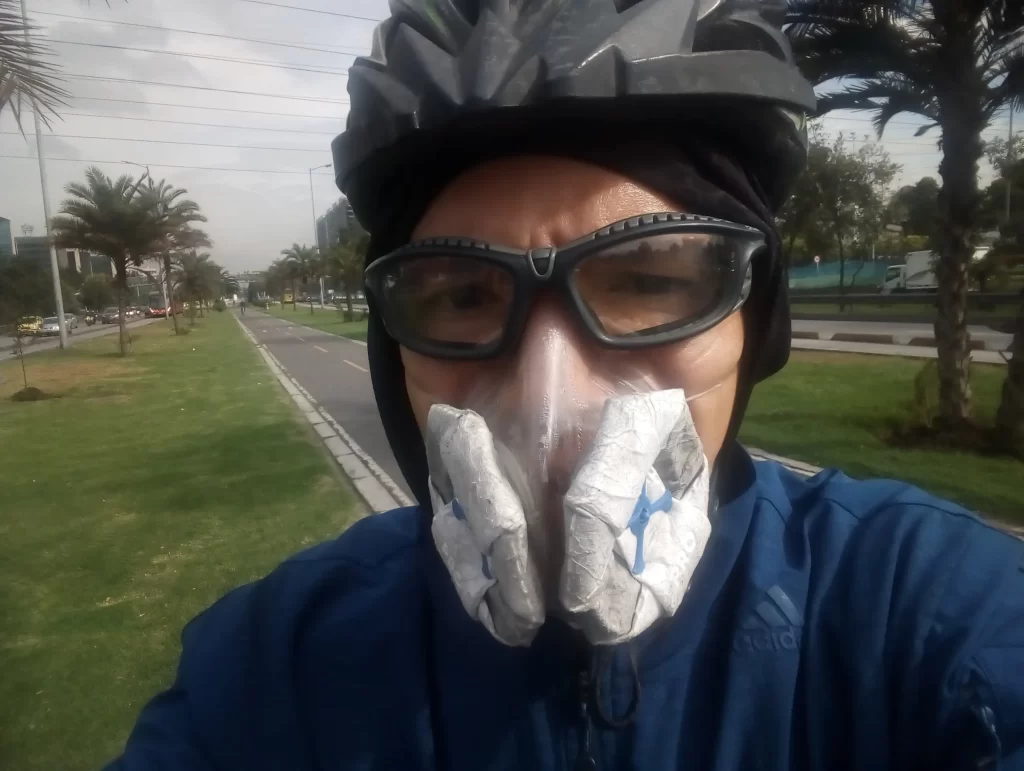
Jorge cycling in Bogota, Colombia

Thanks to Jorge from Bogota, Colombia, for sending us the awesome photos and allowing us to share his comments here.

05-05-2019
Jorge purchased a set of Cycling pack including a set of PRO filter and told us he has been using the F94 filters before. He bought the PRO filters as an upgrade to improve the protection.

30-05-2019

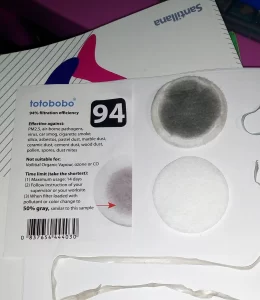
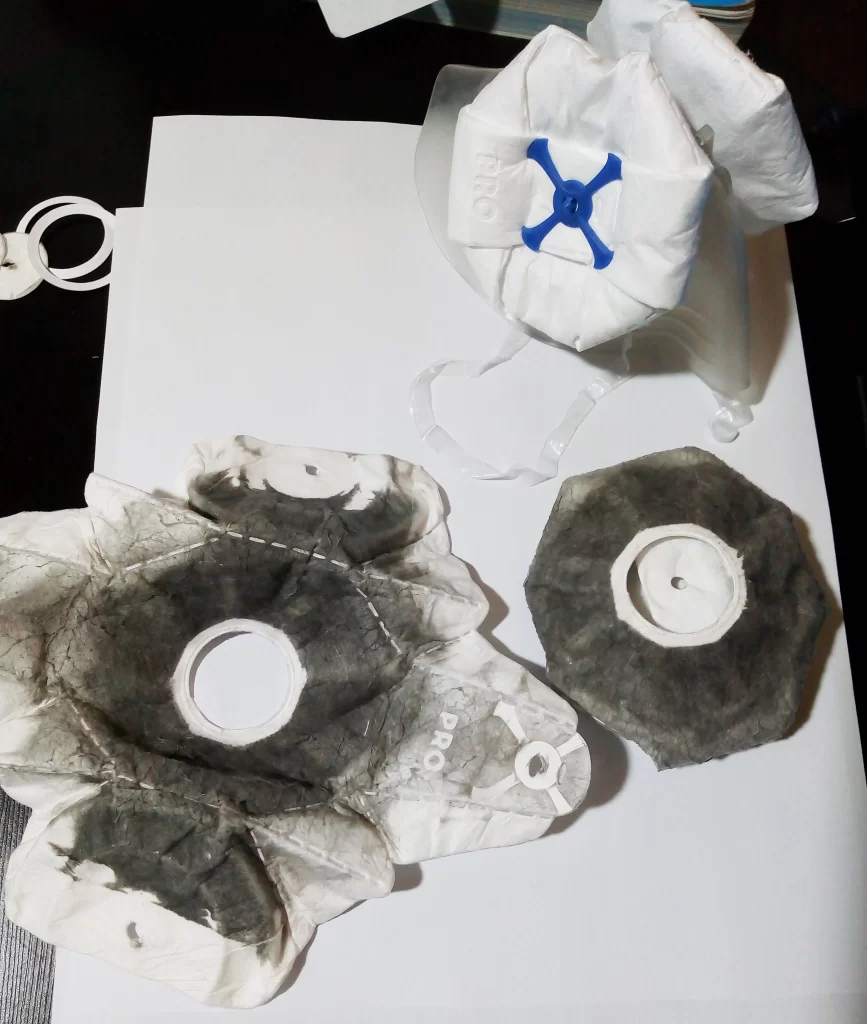
the F94 filter turn really dark in a couple of weeks.

Jorge sent the photo of used F94 filters
“I am using the normal filters but in 15 days I will try the PRO filter.”

19-09-2019
Hello Francis:
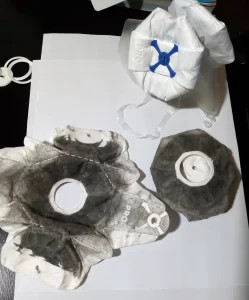
6 weeks ago I started using PRO filter.  I noted more air flowed through the mask because I felt the air colder.
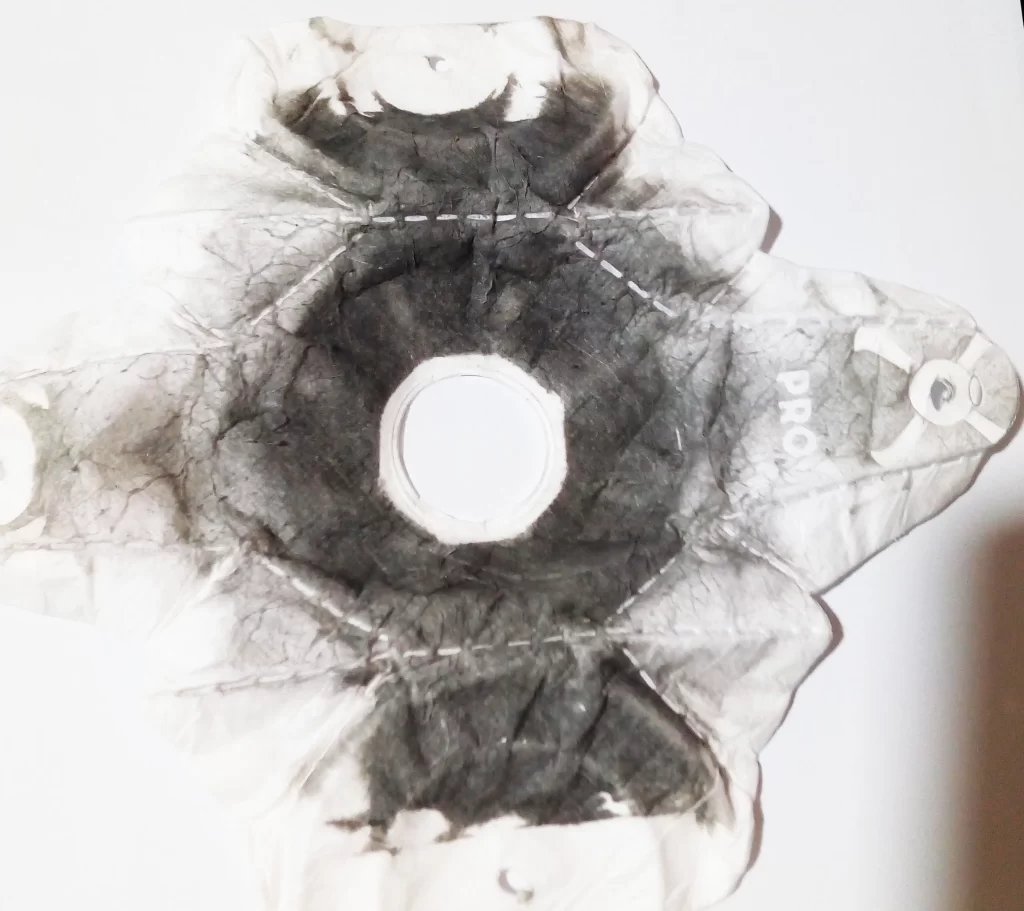
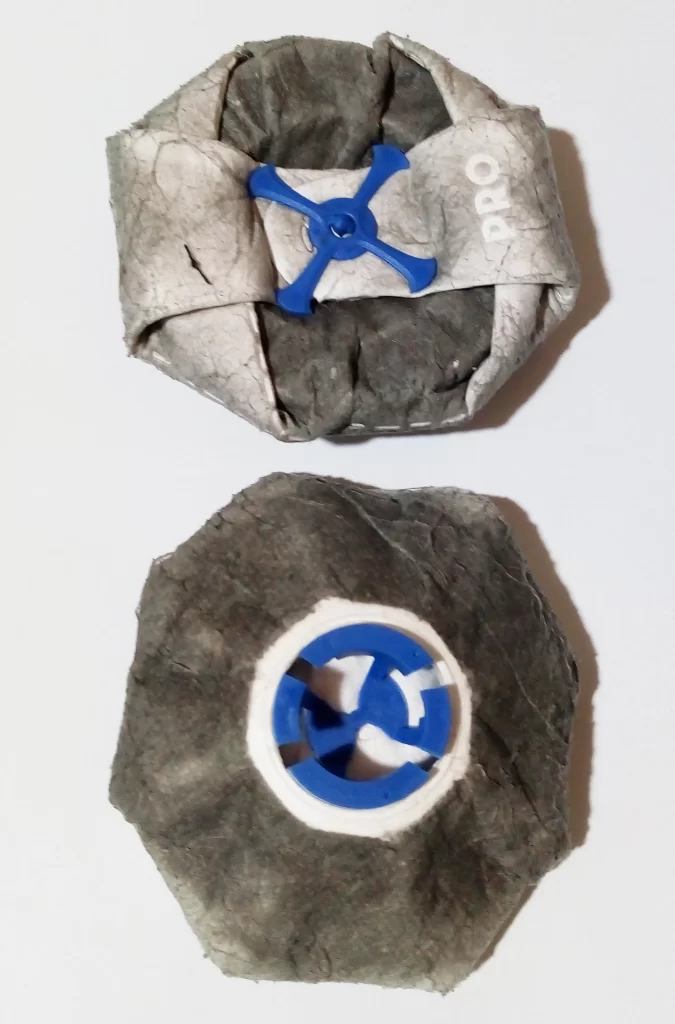
Please find attached some photos after changing the PRO filter with new ones.
Also, I changed fabric straps with rubber straps, I felt fabric straps too loose.
It is incredible how the PRO filters got dark on the outside but inside they are clean, that is proof they are making their job.
I did not find any disadvantage on PRO filter.
Regards,
Jorge

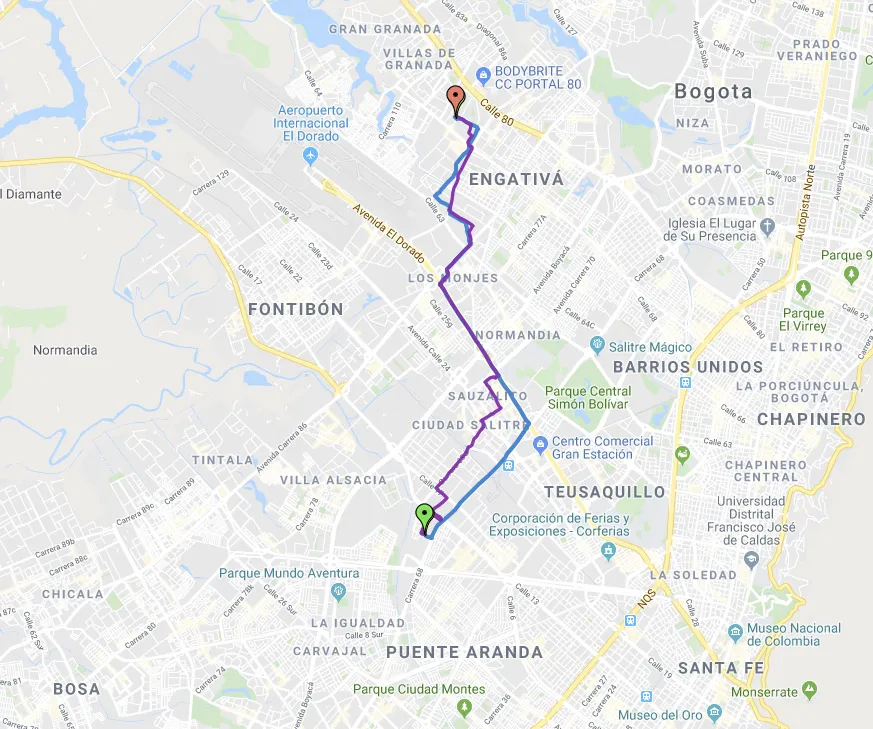
Bike to Work route of Jorge, Bogota, Colombia

20-09-2019

Jorge answers to my questions:

– How long have you been using them to get this black? 
I used PRO filter about 6 weeks

– Where did you use them? 
I used them at Bogotá Colombia

– What kind of activities does it allow you to do when wearing the mask? 
I used to ride a bike.  I ride 11 km from house to work and 11 km from work to the house.

more info:
Pro-Filter, the best filter for outdoor sports
Totobobo online shop

{ 0 comments }

Awesome doTERRA essential oil

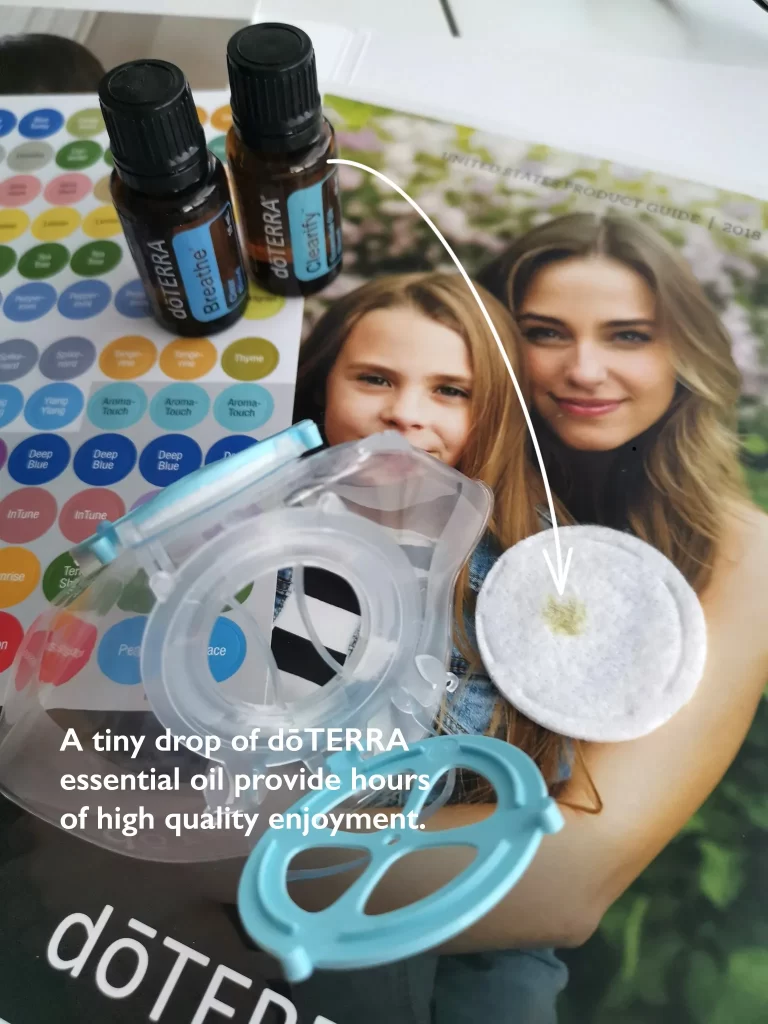
This really blows my mind! A tiny drop of pure essential oil can last for so long! My favourite is the “Clearify” which is perfect for purifying urban air pollution.
Thanks to Mary Ang for introducing “doTERRA essential oil” and the suggestion to use Totobobo mask as a personal oil dispenser. Simply Awesome!

Check the small dot of the tinted area is all is needed to provide hours long enjoyment in breathing.

doTERRA essential oil combines with Totobobo mask

More about doTERRA Clearity
doTERRA Clearify contains Litsea and Tangerine, known for its cleansing and purifying properties, as well as the energizing and uplifting aroma of Grapefruit. Clearify also includes Frankincense for its calming and relaxing aroma, and Cardamom to promote feelings of clear breathing. Clearify can be safely diffused at home or at work to cleanse and purify the air.

Other interesting application of essential oil with facemask:

咳到瞓唔到。睇中醫西醫都唔好。簡單用佢就止咳,盡快用,快啲好!

#totobobo
#doTERRA
#Clearify
#personaldispensor

{ 0 comments }

Testimonial from Bogota, Colombia

The PRO filter has been picking up by cyclists and runners from cities with serious air pollution. Here is a new endorsement by Jorge Alvarado from Bogota, Colombia. Frankly, I was rather shocked to see the photos of the used PRO filters. Here is Jorge’s message he has kindly allowed to be published:

Hello Francis:
6 weeks ago I started using PRO filter.  I noted more air flowed through the mask because I felt the the air colder.
Please find attached some photos after changing the PRO filter with new ones.
Also I changed fabric straps with rubber straps, I felt fabric straps too loose.
It is incredible how the PRO filters got dark on outside but inside they are clean, that is a proof they are making their job.
I did not find any disadvantage on PRO filter.
Regards,
Jorge

more about PRO filter:
https://totobobo.com/blog/2017/11/totobobo-pro-the-best-filter-for-running/
Buy online:
Special offer

{ 0 comments }

Davide and Oti reminds me of Herves and Goska. Both team were of Nomad Travellers
https://www.nomadtravellers.com/travel-gear/totobobo-mask-review

While in Singapore we were lucky enough to be accepted by Mr Francis Chu to visit Totobobo mask’s headquarters in Singapore and get to test live some samples of his invention. We were able to understand a little bit better the working mechanism of their product, how to properly wear the masks and how they perform compared to some of their direct competitors: Respro mask and 3M N95 disposable mask (1860s).

Arriving at Totobobo mask’s headquarters and getting to know Mr Francis Chu

After wandering around Totobobo’s neighborhood lost in between big commercial blocks, we eventually manage to decipher the coded Singaporean address we were provided, and to access the clean and professional looking headquarter of Totobobo.
We introduced ourself to the creator of Totobobo Mask, Mr Francis Chu (I forgot to ask him where Totobobo’s name is coming from) and we soon felt a good connection with him: ahumble, positive and friendly person.

What is Totobobo mask?

Totobobo mask is a reusable mask made of a non allergic elastomer, that uses replaceable filters and unique technologies. It is sold at the moment for 33 USD.

The frost surface turn transparent when wetThe frost surface turn transparent when wet
The peculiar characteristics of this mask are that it can be modeled using heat to fit perfectly everybody’s face, and the “Watermark Seal Check“, a technology that helps understanding when there are no gaps between mask and skin, by turning the frost internal surface of the material into transparent.

Oti wetting her face to check the fitOti wetting her face to check the fit
When there is a continuous transparent line in the contact interface face-mask, then a perfect fit is obtained.

A gap is visible on the top left next to the nose: tha mask needs to be reshapedA gap is visible on the top left next to the nose: tha mask needs to be reshaped

A continuos line on Oti's maskA continuos line on Oti’s mask
The filters available come in 3 different grades: N96, N94, N92. The number basically indicate the percentage of particles over pm 2.5 that are blocked by the filter.
The most effective filter of the line, the N96, would block at least 96% of the contaminants. While it is more performant, it can make more difficult the breathing operation and it’s more expensive than the others, so that while some customers might prefer the most effective option, others might find more convenient the N92 filters.
Totobobo mask comes in different sizes, and can even be trimmed to fit smaller faces.

Using Totobobo mask

Mr. Francis started our educational visit by showing us how to use his product.
The main operations that can be performed are:
– modifying the shape to perfectly fit the contour of the face;
– correctly wearing and adjusting the mask;
– replacing the filters.
There are plenty of tutorial and videos on their website on how to do that. That’s where I suggest you to go for a more detailed explanation.
Heat is needed to reshape the mask, and it can be provided by an hair dryer or hot water. Thesuggested mixture to obtain the perfect temperature is 3/4 of boiling water and 1/4 of room temperature water.
After warming up the masks for a few seconds by immersing them, the elastomer becomes softer and it can be reshaped until it gets cold (a matter of a few seconds) and “freeze” in the new shape.

Immersing Totobobo mask in warm waterImmersing Totobobo mask in warm water
It is actually easier said than done, and the whole process needs to be repeated several times after verifying the watermark until a perfect fit is found.
The first time it can get frustrating, and it might take as long as one hour of trial and error until a satisfying solution is found, but don’t give up! A perfect fit is ESSENTIAL for the efficiency of the mask!

TIP: You better exaggerate the deformation you want to impress, since after releasing the mask, it will partially go back to the previous shape.
You can also help yourself with tools, like a pen to wrap the mask around for the top tight curve of the nose, or a flat desk to flatten an angle.

Reshaping Totobobo maskReshaping Totobobo mask

It’s possible to adjust the length of the elastic straps, by wrapping them around the plastic holders.
Reposition of the mask should be better done by pulling it in front and placing it back on the face, rather than pushing it to fill the gaps. If repositioning doesn’t work, it means that it needs more reshaping.

Changing the filters is extremely easy, it’s just about releasing two elastic bands, removing the used filter and placing the new one into place.

Changing the filters of Totobobo maskChanging the filters of Totobobo mask

Testing Totobobo mask and its competitors

While at the Headquarter we had the chance to do a lab test analyzing the efficiency of Totobobo’s mask and 2 of its competitors.

Oti testing N95 maskOti testing N95 mask

Davide testing Respro maskDavide testing Respro mask
Totobobo was the winner with a reduction of 200+ times, 3M N95 reduced the pollutants around 30 times, and surprisingly Respro mask only 3 times!
We have written a separate article with the detail of the test and photos of the result: Comparison of 3 anti-pollution mask models.

This test was so educational for us. We understood how important is to find a perfect fit of the mask (Not only Totobobo, but any mask!) and that we were basically wasting time in Indonesia when wearing our simple Surgical masks.

Totobobo’s packaging and enviormental approach

The packaging of Totobobo mask is really minimalistic and completely recyclable.
Fancier, more sellable packaging have been discarded to reduce at minimum the waste created by the product: Mr Francis preferred to stick to his environmental beliefs, rather than selling a few more masks.
The plastic bag of the case is actually a zip-lock bag, that can be easily reused.
Also the filters packaging uses a similar zip-lock bag, and contains a single simple paper presentation with an image to be used as a reference to understand at what moment to replace the filters, e.g. when they reach a 50% gray color (but no later than after 2 weeks).

Totobobo mask packagingTotobobo mask packaging

Totobobo and cyclists

Totobobo mask is s cyclist friendly product, not only because cyclists are one of the major supporters, but also because Mr Francis is a cyclist himself and the only extra bit of paper in the packaging is a nice heart shaped recyclable note addressed to car drivers, asking them to respect cyclists since they are making the air less polluted also for them.
By the way drivers! Some studies shows how pollution inside the car can get even higherthan the one outside, since somehow it gets stuck in the cabin: so car drivers shouldn’t thing that masks are something only for cyclist or pedestrian and that they are immune to the pollution that they are creating!

Cons and possible improvements of Totobobo mask

While the mask works amazingly when perfectly set up, the learning curve to understand how to reshape the mask is quite steep, and we are scared that some people might get frustrated and misuse the mask or just give up.

While wearing the mask in warm and humid tropical climate, there is condensation inside the mask, that can feel annoying at the beginning.

That’s a common problem to several masks, and to solve it Totobobo propose the possibility to trim the mask to the “SuperCool” design covering only the mouth, so that exhalation can be done through the nose with no condensation. This design is particularly suggested for cyclists that wants to inhale more air using the mouth instead of the nose.

As a secondary cons, we realized that the look of the mask is so unique, that many people were staring at us. Some people might feel uncomfortable and stop wearing the mask. A suggestion is to propose a customization pack with a thin personalized cover to put on top of Totobobo mask, or if you feel uncomfortable just wear a cheap standard mask on top of Totobobo’s.
In any case we of course prioritize our health over our look.

As a suggestion for the future we would also like to see a “family pack” with maybe 50 filters at a discounted price, to decrease the operational cost (already quite low compared to other brands at around 2-5$ per month) for people permanently living in polluted places and to also reduce transportation costs-emissions and packaging.

Davide and Oti with Totobobo masks in front of the Petronas towersDavide and Oti with Totobobo masks in front of the Petronas towers

Our final conclusion

We have started using our Totobobo masks, and changed the filters for the first time after 7 days of usage in Malaysia, plagued by the haze coming from Indonesia. So far we are satisfied, it works well and the filters are getting gray as expected!

One week usage in Malaysia: on top Oti's filters, used less constantly, on the bottom Davide's filters ready to be replacedOne week usage in Malaysia: on top Oti’s filters, used less constantly, on the bottom Davide’s filters ready to be replaced

We are so grateful to have met Mr. Francis Chu and directly experience the lab tests on the masks! Now we understand much better what are the important parameters to choose an effective pollution mask, and how to correctly wear it.
At the end of our visit to Totobobo’s headquarters, we were happy to support their productsnot only because they are effective, but also because we believe in Mr Francis mission and we liked a lot his approach of doing business, not putting money and success as the main priority if it’s colliding with higher purposes.

Quoting Totobobo website:

“However, face mask is not a sustainable solution, reduce consumption is.”

Disclaimer: This is a sponsored post and we received free sample masks to write this article, but what we wrote represent our honest opinion, including not only pros but also cons.This text first appeared on “Nomad Travellers”. Read more on: https://www.nomadtravellers.com/travel-gear/totobobo-mask-review
{ 0 comments }

Update 2021-01-20
Dr Justin Hewitson just posted a funny and educational youtube about wearing a mask in Taiwan:
https://youtu.be/7x7t_Jt47Vs


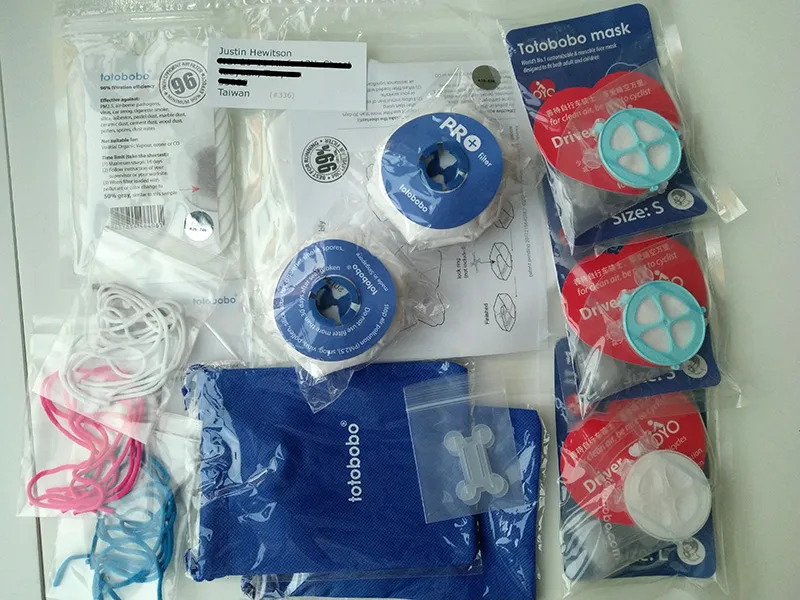
A recent purchase from Taiwan triggered my curiosity. I ask the customer, Dr. Hewitson, why he choose Totobobo mask. His answer surprised me. I didn’t realise the fact that healthy non-smokers in Taiwan are much more likely to get lung cancer than smokers in the USA!

“As I’m in a research institute here in Taiwan, some of my colleagues have done studies on the effects of air pollution on both the lungs and the brain of mice.
As it stands, people in Taiwan who do not smoke are three times more likely to get lung cancer than smokers in the United States. Many Taiwanese are not aware of this. I am constantly educating my students on the dangers of air pollution and actually I recommend your company to them all the time whether or not they purchase, is another question but I have faith in what you guys are doing.”

By Dr. Justin Hewitson

The study:
Higher than Usual Lung Cancer Incidence in Taiwanese Non-smokers

An ongoing study suggests environmental factors in Taiwan are contributing to a rising number of cases in otherwise healthy non-smokers.

After four doctors at National Taiwan University Hospital (NTUH) had suddenly collapsed on the job during the previous two years – with one of them failing to recover – the hospital in the second half of 2013 ordered all staff physicians 45 years of age and older to take a physical examination.

The comprehensive health checks included low-radiation computerized topography
(CT) scans of the lungs. The results were chilling. Of 300 physicians tested, 12 (4%) were found to have a small lung nodule (less than 1 centimeter), which subsequent testing confirmed as lung carcinoma.

The study on lung cancer in non-smokers is groundbreaking because it highlights the risk that the disease poses to the wider population. For decades, lung cancer has been associated almost exclusively with cigarette smoking. 

In Taiwan, non-smokers may be at a much higher risk of developing lung cancer than in the United States. The ongoing eight-year study has found that non-smokers here are twice as likely to develop the disease than are heavy smokers in the United States and Europe.

{ 0 comments }