Quick Glance at the Solution
Updated: 2026-01-27
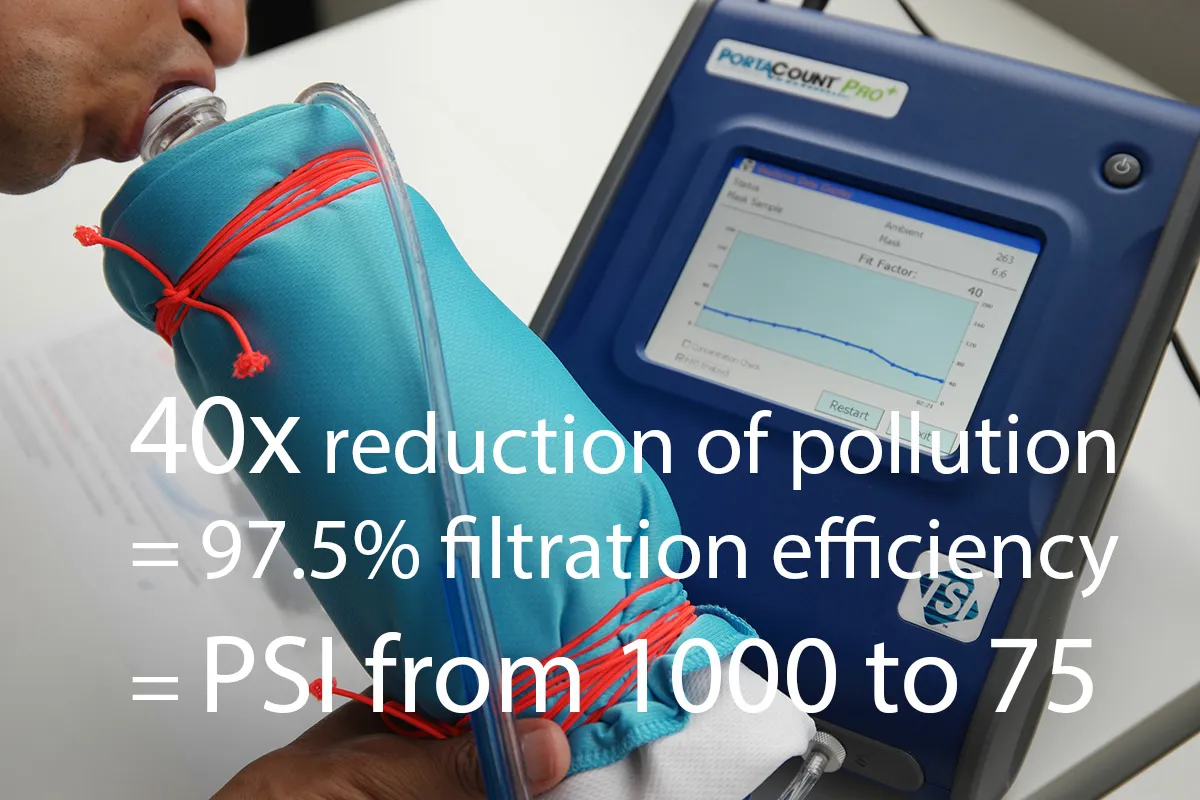
In a crisis, a powerful DIY air filter can be crafted from everyday materials: a plastic water bottle, a couple of T-shirts, and a string. Lab-tested results using a professional machine showed this simple creation can reduce fine airborne particulate matter (PM2.5, PM10) by up to 40 times, achieving a filtration efficiency comparable to an N95 mask. This is capable of transforming super hazardous air (e.g., PSI 1000) into air of moderate quality (PSI 75), offering a critical layer of protection when certified masks are unavailable.
The Unseen Threat: Air Contamination from Fire and Smog
Whether facing the immediate danger of a large-scale forest fire or the creeping, chronic threat of heavy seasonal air pollution—such as the severe winter smog often experienced in major urban centers like New Delhi—the danger remains the same: contaminated air. Oxygen is always present, but the air is choked with microscopic smoke and smog particles (PM2.5, PM10) that pose serious, immediate health risks when inhaled.
The conventional answer is an N95 respirator. Yet, in an emergency or during a widespread pollution event, relying solely on N95 masks presents two major challenges:
- Distribution: It is nearly impossible to rapidly distribute certified masks to every person who needs one, particularly in densely populated or remote areas.
- Fit: A non-fitting N95 mask is ineffective. Achieving a proper, airtight seal on the face is difficult for most people, and even a small gap renders the filter useless.
This DIY filter provides an immediate, readily accessible alternative.The DIY Emergency Filter Kit
To create this effective air filter, you only need materials easily found at home:
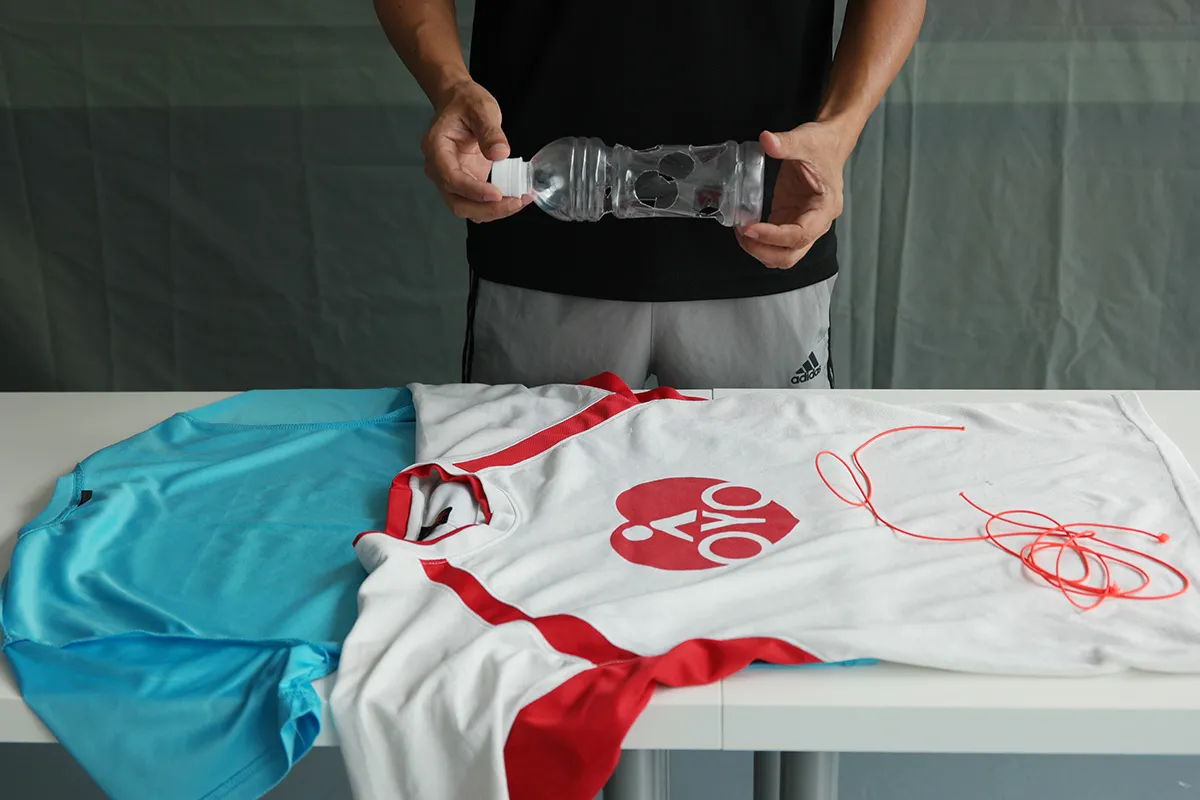
- A standard plastic water bottle.
- Two to three clean T-shirts (or enough fabric to create a thick roll).
- A couple of strings or rubber bands.
Step-by-Step Assembly Guide
- Prepare the Bottle: Cut several holes in the middle section of the plastic water bottle. These are the air entry points.
- Create the Filter Media: Fold up and tightly roll the T-shirt fabric around the bottle’s middle section, completely covering the holes. The more fabric layers you create—ideally 20 or more—the better the filtration will be.
- Seal the System: Use the strings to tightly secure the fabric at the top and bottom edges of the roll. This seals any potential gaps, forcing all inhaled air to pass through the filter media.
- How to Breathe: Place your mouth over the bottle’s opening. Suck air in from the water bottle, and breathe out through your nose.
Working Principle and Proven Results
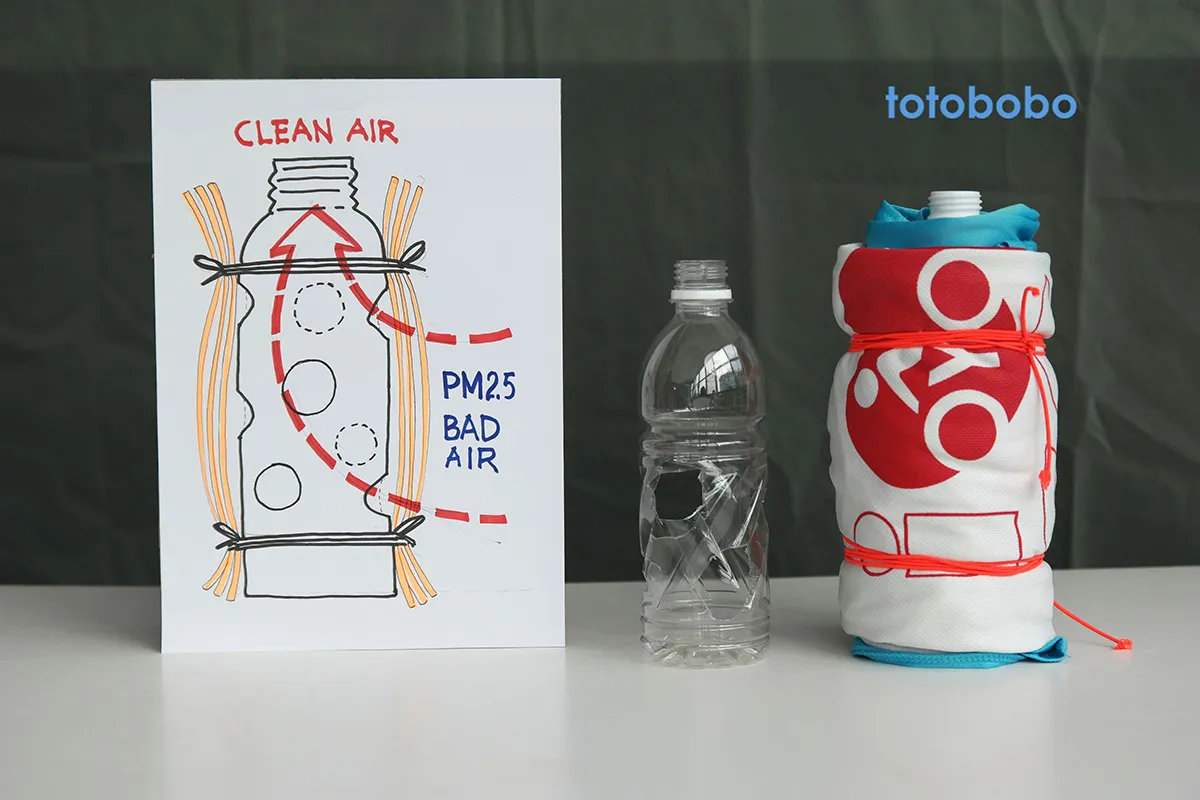
The polluted air enters the bottle by being drawn through the many layers of T-shirt fabric. The dense, multi-layered textile barrier physically traps the fine particulate matter.
In our laboratory, we measured the performance of this system using a professional Portacount Pro 8038 machine. The results confirmed a substantial reduction in pollution: the filter achieved a 97.5% filtration efficiency, equivalent to a 40-fold reduction in airborne particles. For contexts like the debilitating smog season in New Delhi, where air quality can soar to hazardous levels, this readily available filter provides a crucial and accessible means to substantially improve the air you breathe during a crisis.
A printable PDF file for sharing is available (Emergency DIY Air filter from Water bottle.)
Note: The idea of this DIY water bottle air filter has been demonstrated in a laboratory setting to show its effectiveness in cutting down air pollution. However, the exact filtration characteristic will depend on the fabric material used. This idea has not been certified by any official authority. Users agree to take own responsibility for the use of this idea. Always seek certified and professional protection first if available.
Instruction video
Link to YouTube video
Sponsored by Totobobo mask, a highly customizable facemask for cyclists and bikers.
It doesn’t work because when you remove your mouth it gets filled with whichever fumes present at the time. Plus if you breathe into it, pressure will go up, forcing oxygen out which leaves co2, at which point its rise in concentration and repeatedly breathing in co2 can prove detrimental.
Hi João, Thank you for pointing out. The proper way to breath with the DIY air filter is: “Inhale through the mouth, exhale through the nose.”
A simple valve could be made with another bottle attatched where incoming air comes through the filter and outgoing air, blocked by the one way valve, is pushed through the second bottle, allowing one to breath normally.
The whole thing could be hitched to some kind of harness to a hat or something so you don’t have to hold it.
As I do know this could be useful some cottons perform different that others. This makes this research incorrect in some areas.
Naturally, It depends on what material the t-shirts are made of. There are plenty of different combinations of polyester and cotton. Therefore I think this research is incompelete.
Thanks for your comment Baabak. As research, this project is far from complete. Different fabric combinations do perform differently. For example, synthetic fabric performs better than cotton.
The intention of this project is to introduce a practical and easy solution in an emergency situation. Any fabric used is better than no solution.
Can we have a list of effectiveness of this thing depending on what fabric used
Just for investigatory project only
Thank you